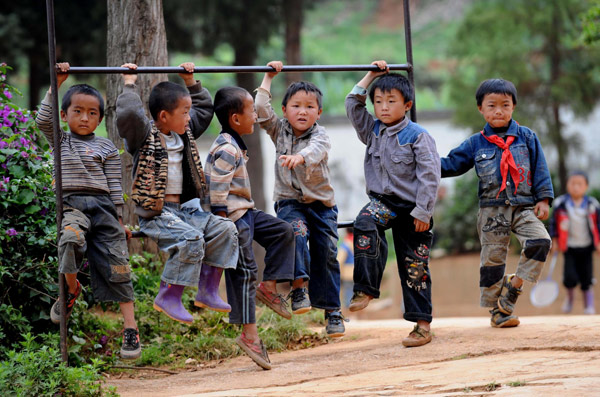
Many children in low and middle-income families often from countries which do not have adequate resources, for example, poor nutrition, parental presence and lack of health care. As a result, these children’s cognitive development is slower and less able to learn than other children from well-resourced families (Stipek & Byler, 2004). Researchers argued that the vast majority of low and middle-income countries in a number of United Nations member states, early childhood education is a necessary programme to providing equal educational opportunities for achieve sustainable development aims. This is for promote children from low-and middle-income families to enhance their cognitive ability, thereby improving their future learning ability and social competitiveness (Tobin et al., 2009; Sylva et al., 2003).
The foundation for learning abilities will developing in the early childhood (Anderson et al., 2003). The United Nations Educational, Scientific and Cultural Organization argued that it is necessary to improve early education for children from low and middle-income families in developing countries (UNESCO, 2007). In order to better ensure the implementation and efficiency of early childhood education programmes, this blog will introduce some relevant programme designs for early education programs for children under 5 years of age in developing countries, based on the past cases provided by the researchers.
What does a high quality early childhood education programme do and why is important?
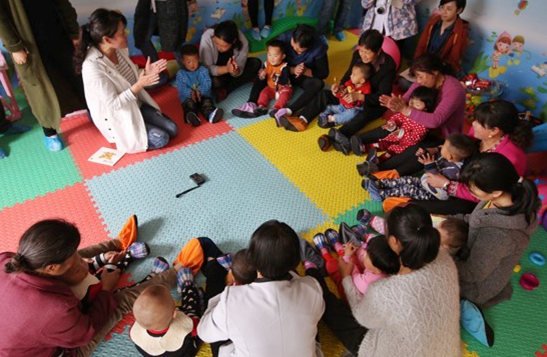
Early childhood education programs could divide int parent-centred home visit program and a community centre-based group program. Early childhood education programmes provide a range of guidance, including cognitive space, colour, and life relationships, and use play to develop children’s cognitive abilities (Whitebread et al., 2009). What these programs have in common is that they provide professional advice and guidance for children’s development.
The efficiency and quality of educational programmes could improve by supporting early childhood education activities for low and middle-income families (Young & Mundial, 1996). Professionals start with how to interact with children and guide their development, and give guardians the advice they need (Young & Mundial, 1996). In this process, the guardian could understand the importance of early childhood education to their children, give enough care and attention to the child’s physical development and mental health (Cape, 2005). Same time, professionals will also help guardians adjust their psychological state through communication and guidance, so as to ensure that guardians of these low and middle-income families can fill their parenting responsibilities(Cape, 2005; Southall et al, 2000).
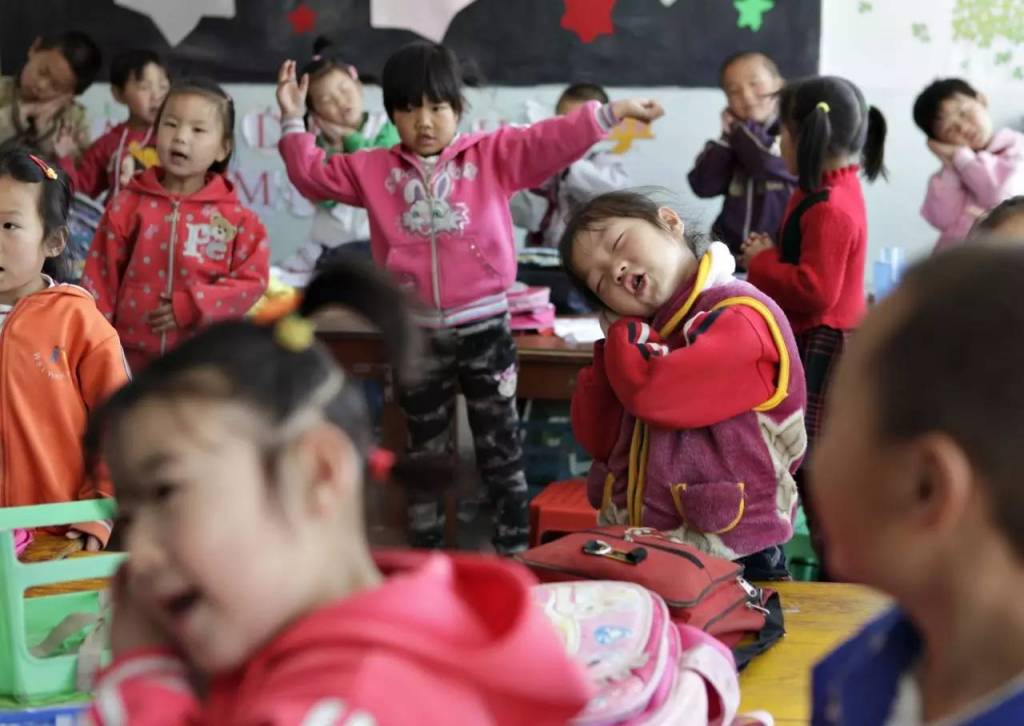
A research of early childhood education in China’s Zhejiang Province shows that although some area in China have implemented Early Care and Education Programs (ECEP), the programme did not effectively closed the education gap between urban and rural children (Li, 2016). Researchers aruged that while the governments and volunteers have sensible plans to support early care and education for children in rural areas, teachers who did not have receive a scientific training are less likely to give children enough time to play and interact. Instead, they are more focused on getting them to follow orders and receive knowledge, and it makes the programme have a lower quality in total (Li, 2016; Xiang, 1995). Therefore, it is necessary to let children from low and middle income families accept effective and high-quality ECEP, and project planners must consider more perfect to make it possible to build a high-quality ECEP.
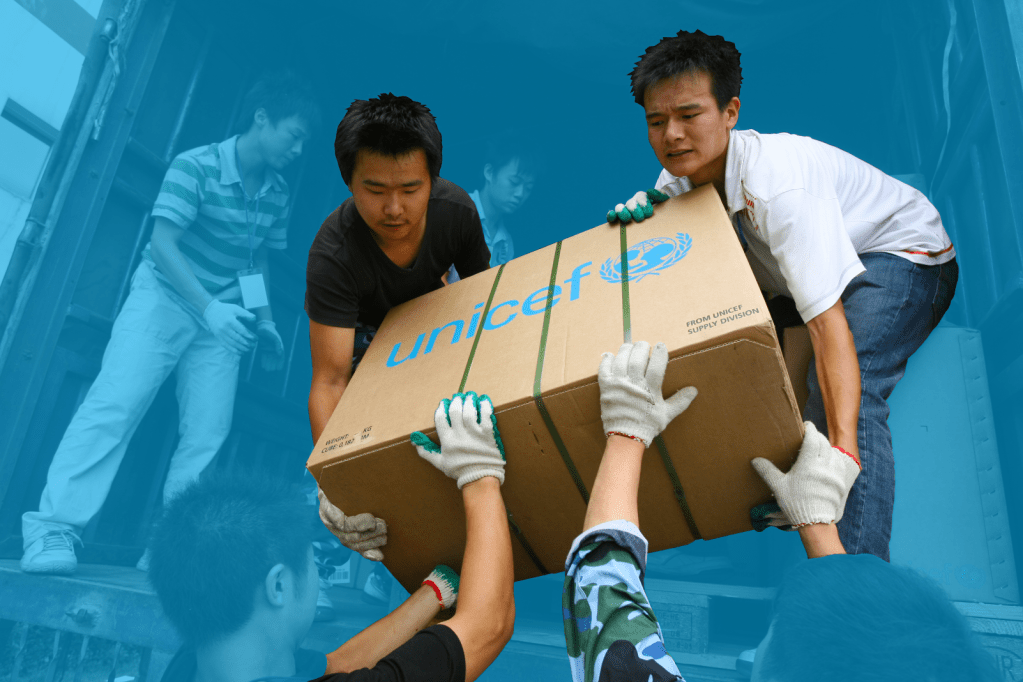
How to implement a high-quality programme?
① Co-op with the local government
The implementation of early childhood education programmes requires enough understanding of the local government’s economic and community policies (Belsky, 2001). Take China as an example, although China’s overall GDP is among the developed countries in the world, due to the large population and uneven economic development, it is difficult to carry out economic activities and educational work in some areas where transportation is not convenient (Guo, 2008; Pang, 2006). Early Childhood Education programmes should be implemented in full cooperation with local governments to understand local economic levels in order to develop appropriate programmes for universal access (Belsky, 2001; Allen, 1988).
For example, in poor mountain areas, community-centred early education programmes are unrealistic. Staff should plan for home visits as the main form of work, accounting for the economic situation and geographical location of low-income households (Li, 2016). The assistance of the government can also be sought during family visits to meet the developmental needs of children by providing them with nutritious food and the necessary clothing. This could have a positive effect on improving the cognitive ability of children from low-income families (Kamerman & Gatenio-Gabel, 2007).

② Training professionals
The implementation of early childhood education programmes requires the education and training of professionals in child development (Palermo et al, 2007). Programme organizers need to ensure that professionals working in society centres or on family visits could guide children and parents to improve the efficiency and quality of early education programs by explaining the meaning of the program to professionals, explaining knowledge about the program, and teaching them how to practice (Goodson & Bernstein, 1997; Palermo et al, 2007).
Programme organizers need to ensure that professionals are patient and keep a careful record of the difficulties faced by the supporting families in the programme (Moss, 2000). These experiences and data will help the programme workers in the future to better improve and develop early childhood education programs and further improve educational standards. The welfare of professionals also requires the project designer to guarantee that the project can be sustained in the long run (Anger et al, 2007).
③ Ensure other aspects could also meet the needs of early childhood development
In order to improve children’s cognitive ability and ensure their future development, the programme designer should not fully focus on how to carry out the programme and train the staff. Some objective conditions will also affect the planning and implementation of the early childhood education programme (Moss, 1996; Moss, 2007).
For example, in a programme based on the society centre programme, is it easy for the guardian of the child to reach the location of the training centre? Is the facility providing early childhood education program services safe enough, such as adequate cleaning, and special protection of the facility? Are parents trained to interact safely with their children in family-visit-centric programs? Are parents too busy to follow up on programmes on time? These external factors are one of the factors that determine the quality of early childhood education programmes.
Conclusion
Although China government’s goal is to ensure the access and quality of early childhood education for children aged 3-6 in China, China still lack of large-scale studies to examined the overall quality of early childhood education and its relationship to the outcomes of Chinese children (Li, 2016). A study of early childhood education in rural Bangladesh also showed that children who received high-quality early childhood care and education programs had better verbal reasoning and vocabulary performance than those in the control group (Abound, 2006). To summary, In middle-income developing countries like China, support for low-income families in early childhood care and education programs should:
(1) Ensure that the project has enough flexibility to adapt to the environment
(2) Working and cooperate with local government and policy
(3) Give material support for low-income families
(4) Carry out the recruitment and training of professionals
(5) Establish proper facilities to meet the requirement of early childhood care and education projects
(6) Improve the enthusiasm of professionals
It is important to note that this does not mean that current early childhood care and education programmes in China do not meet the above planning recommendations. China’s Education Ministry is also working with the international community to incorporate play-based and child-centered approaches, and to develop more programs to attract professionals to participate in early childhood programs (Ministry of Education of the People’s Republic of China, 2001; Ministry of Education of the People’s Republic of China, 2013). Overall, A high-quality ECEP has a sigificant impact on children development and is sigificant for achieving sustainable development aims from the United Nations and the programme designer could using a systematic theory to guide the ECEP running in a higher quality.
References
Aboud, F. E. (2006). Evaluation of an early childhood preschool program in rural Bangladesh. Early Childhood Research Quarterly, 21(1), 46-60.
Allen, A. T. (1988). “Let us live with our children”: Kindergarten movements in Germany and the United States, 1840–1914. History of Education Quarterly, 28(1), 23-48.
Anderson, L. M., Shinn, C., Fullilove, M. T., Scrimshaw, S. C., Fielding, J. E., Normand, J., … & Task Force on Community Preventive Services. (2003). The effectiveness of early childhood development programs: A systematic review. American journal of preventive medicine, 24(3), 32-46.
Anger, C., Plünnecke, A., & Tröger, M. (2007). Renditen der Bildung–Investitionen in den frühkindlichen Bereich. Studie im Auftrag der Wissensfabrik–Unternehmer für Deutschland eV Köln. Köln. wissensfabrik-deutschland. de/portal/-streamer.
Belsky, J. (2001). Emanuel Miller Lecture: Developmental risks (still) associated with early child care. The Journal of Child Psychology and Psychiatry and Allied Disciplines, 42(7), 845-859.
Cape, W. (Ed.). (2005). Early Childhood Education. Pearson South Africa.
Goodson, B. D., Layzer, J. I., Pierre, R. G. S., Bernstein, L. S., & Lopez, M. (2000). Effectiveness of a comprehensive, five-year family support program for low-income children and their families: Findings from the Comprehensive Child Development Program. Early Childhood Research Quarterly, 15(1), 5-39.
Guo, Y.H. (2008). On the causes of rural-urban disparities and the options of developmental target for rural-urban integration, Forum of Southern China, 3 (1), pp. 58-65
Kamerman, S. B., & Gatenio-Gabel, S. (2007). Early childhood education and care in the United States: An overview of the current policy picture. International Journal of Child Care and Education Policy, 1(1), 23-34.
Li, K., Pan, Y., Hu, B., Burchinal, M., De Marco, A., Fan, X., & Qin, J. (2016). Early childhood education quality and child outcomes in China: Evidence from Zhejiang Province. Early Childhood Research Quarterly, 36, 427-438.
Ministry of Education of the People’s Republic of China (2001). Kindergarten education guideline (trial). Retrieved from http://www.moe.gov.cn/publicfiles/business/htmlfiles/moe/s3327/201001/81984.html
Ministry of Education of the People’s Republic of China (2013). Number of kindergartens, classes in preschool education. Retrieved from http://www.moe.gov.cn/publicfiles/business/htmlfiles/moe/s7567/201308/156409.html
Moss, P. (1996). Defining objectives in early childhood services. European Early Childhood Education Research Journal, 4(1), 17-31.
Moss, P. (2000). Training of early childhood education and care staff. International Journal of Educational Research, 33(1), 31-53.
Moss, P. (2007). Bringing politics into the nursery: Early childhood education as a democratic practice. European Early Childhood Education Research Journal, 15(1), 5-20.
Palermo, F., Hanish, L. D., Martin, C. L., Fabes, R. A., & Reiser, M. (2007). Preschoolers’ academic readiness: What role does the teacher–child relationship play?. Early Childhood Research Quarterly, 22(4), 407-422.
Pang, Z.Q. (2006). An empirical study on rural-urban disparities within Gansu Province, Social Science Review, 4 (2006), pp. 15-19
Southall, D. P., Burr, S., Smith, R. D., Bull, D. N., Radford, A., Williams, A., & Nicholson, S. (2000). The Child-Friendly Healthcare Initiative (CFHI): Healthcare provision in accordance with the UN Convention on the Rights of the Child. Pediatrics, 106(5), 1054-1064.
Stipek, D., & Byler, P. (2004). The early childhood classroom observation measure. Early Childhood Research Quarterly, 19(3), 375-397.
Sylva, K., Siraj-Blatchford, I., & Taggart, B. (2003). Assessing quality in the early years: Early childhood environment rating scale: Extension (ECERS-E), four curricular subscales. Trentham Books.
Tobin, J., Hsueh, Y., & Karasawa, M. (2009). Preschool in three cultures revisited: China, Japan, and the United States. University of Chicago Press.
UNESCO, (2007). Strong foundations: Early childhood care and educationUNESCO, Paris (2007)
Whitebread, D., Coltman, P., Jameson, H., & Lander, R. (2009). Play, cognition and self-regulation: What exactly are children learning when they learn through play?. Educational and Child Psychology , 26(2), 40.
Xiang, Z.P., (1995). On the issues and evaluation orientation of early childhood education process—based on assessment of early childhood education programs in six provinces of China, Studies in Preschool Education, 2 (1995), pp. 31-35
Young, M. E., & Mundial, B. (1996). Early child development: investing in the future. Washington: World Bank.
 Blackwell643-4020site